
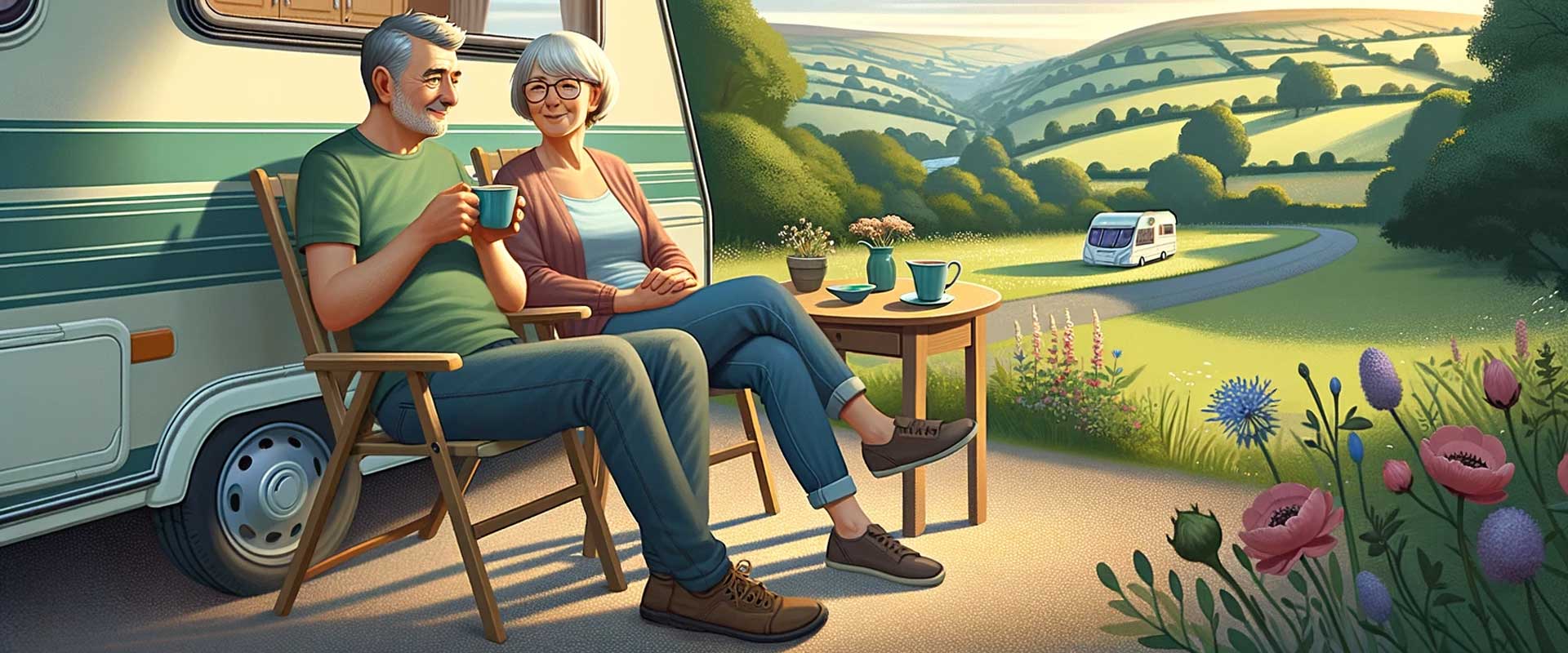
For many in the UK, a caravan is a home away from home, offering the freedom to explore without sacrificing the comforts of home. However, insuring this mobile abode is not the same as insuring a car. Although both are vehicles in the eyes of the law, the insurance for each is tailored to their unique uses, risks, and functions. This article sheds light on how caravan insurance differs from car insurance, offering insights to help you understand the distinctions.
Car insurance typically provides cover for on-road risks. It's designed to protect against accidents whilst driving, theft of the car, and third-party claims if you injure someone or damage their property. Caravan insurance, on the other hand, covers a broader range of scenarios that reflect the dual nature of a caravan as both a vehicle and a living space.
When you're towing your caravan, some elements of car insurance might extend to your caravan, but usually only to third-party liabilities. Comprehensive caravan insurance policies, however, are designed to protect the caravan itself in the event of an accident or damage whilst in transit.
A significant difference lies in the ‘static risk' associated with caravans. Unlike cars, caravans are often parked for extended periods, whether at a campsite or at home. Caravan insurance can cover risks such as theft or damage from weather events, which aren't typically a concern with a standard car insurance policy.
Caravan insurance often includes the option to cover contents, much like a home insurance policy. This cover is particularly relevant given that many caravan owners equip their vehicles with items such as electronics, furniture, and personal belongings. Car contents cover exists, but it's usually more limited due to the lower value of items people keep in their cars.
Some caravan insurance policies offer 'new for old' cover, where the insurer will replace a damaged or stolen caravan with a new model if it's below a certain age. This type of cover is less common in car insurance policies where the value of the car typically depreciates much faster.

For those who take their caravans abroad, caravan insurance policies often include European cover as standard for a set number of days. Car insurance might also provide European cover, but it often needs to be added on and may not be as extensive in terms of the length of time covered.
Public liability cover is another area where caravan insurance goes further than what is typically found in a car insurance policy. Given that a caravan is a living space, insurers offer protection against the possibility of someone being injured whilst in or around your caravan, similar to home insurance.
Many caravan owners use annexes and awnings to extend their living space. Caravan insurance policies may cover these additions, which is not a consideration for car insurance.
In the unfortunate event that your caravan is damaged and unusable, caravan insurance policies might cover the cost of alternative accommodation. This is a unique aspect of caravan insurance, reflecting the home-like use of the vehicle.
Whilst both types of insurance cover accidental damage and theft, the specifics can vary. For instance, caravans can be particularly vulnerable to theft when left unattended, and insurance policies often reflect this with specific conditions and advice on security measures.
The factors that affect the cost of caravan and car insurance premiums also differ. For caravans, the value, size, and storage location can be significant factors, alongside the owner's towing experience and claims history. For cars, the focus is more on driving history, the value of the car, and its engine size.
There are specific exclusions in caravan insurance that you wouldn't find in car insurance. For example, wear and tear or damage caused by vermin might be excluded from a caravan insurance policy due to the nature of how and where caravans are used and stored.
When it comes to insuring your caravan, it's vital to look beyond the basics of what you know about car insurance. Think about the unique aspects of owning and using a caravan and ensure that your insurance meets those needs. Each caravan owner's situation will be different, and so it's essential to get a policy that's as individual as your requirements.
Understanding these differences is not just a matter of ticking a box but ensuring that you have peace of mind whilst out on the road and when parked up. Caravan insurance policies are designed to fit the lifestyle of a caravan owner, offering protection that car insurance doesn't extend to.
Choosing the right insurance policy for your caravan should involve careful thought. Consider the types of journeys you undertake, the value of your caravan and its contents, where you store it, and how you use it. A thorough understanding of how caravan insurance differs from car insurance will help ensure that you're properly protected wherever your travels take you.
By recognising these differences, you can make an informed decision about the level of cover you need. The right insurance will allow you to enjoy your caravan with the confidence that you're well protected against the unique set of risks it presents.
In summary, caravan insurance is tailored to address the specific risks and uses of a caravan which go beyond the road-focused risks associated with cars. Understanding these nuances will help you secure the right protection and enjoy your adventures with greater peace of mind.
The differences between caravan insurance and car insurance highlight the importance of securing a policy designed specifically for the realities of owning a caravan. Whilst both types of vehicles need protection, the nature of that protection varies considerably, reflecting the distinct experiences of driving a car and owning a caravan.
Always read the terms and conditions of any insurance policy carefully and speak to your insurer if you have any questions about the cover provided. With the right insurance in place, you can focus on the joys of caravanning, safe in the knowledge that you're prepared for the road ahead.